
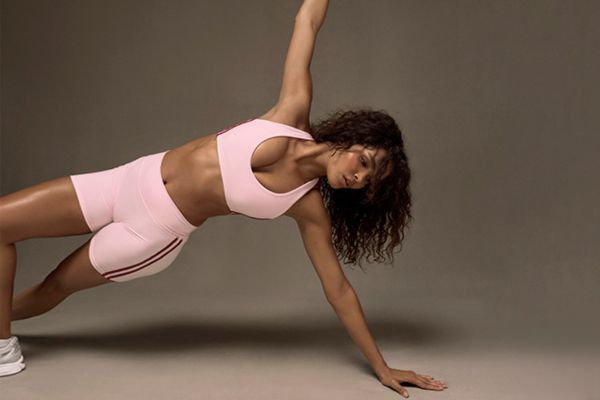


What to Wear to the Gym - and Why Getting Stronger Is the Best Thing You'll Do for Your Body
You know that moment. You walk into the gym, glance over at the free weights section, and think: is that really for me?
It is. More than you know.
Strength training is having a long-overdue moment - and the science behind it is genuinely exciting. Not "eat your vegetables" kind of advice. More like: two gym sessions a week could cut your risk of dying from heart disease by 30%. That kind of exciting.
This guide covers everything - the real benefits of lifting for women (backed by recent research), what the myths get wrong, and how to put together a gym kit that actually works for your body and your training.
First, Let's Kill the Myth
"Won't lifting make me bulky?"
No. And we can put this one to rest for good.
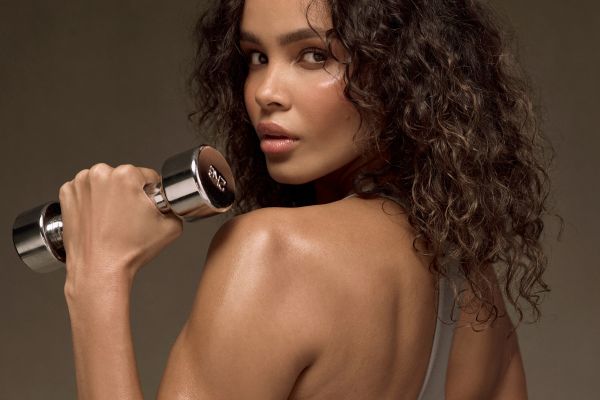
Women have around 10-20 times less testosterone than men. That hormone is the primary driver of the kind of muscle mass that changes your silhouette dramatically. What strength training does do for women is build lean, defined muscle - the kind that creates shape, not size.
What you'll actually notice after a few months of consistent lifting: your clothes fit differently (in a good way), you feel stronger carrying things, your posture improves, and you start walking into rooms with a different kind of confidence.
The research backs this up. Studies confirm that while men and women can follow similar resistance training principles, women build strength and definition without the dramatic muscle size increases men experience.
1. Your Heart Gets a 30% Lower Risk of Disease
Let's start with the number that stopped researchers in their tracks.
A Cedars-Sinai study found that women who strength train two to three times a week have a 30% lower risk of dying from heart disease compared to women who do none. The lead researcher put it plainly: "We don't have many things that reduce mortality in that way."
What makes this even more striking: the cardiovascular benefit for women is nearly three times greater than for men (30% vs 11%). Women may have more to gain from lifting than men do - which is the opposite of how fitness culture has historically treated the weight room.
Two to three sessions a week. That's it.
Source: Journal of the American College of Cardiology, 2024 | NHLBI/NIH
2. It Builds Bones Before You Need To Think About Them
Most women don't think about bone density until a doctor brings up the word osteoporosis. By then, years of preventable loss have often already happened quietly in the background.
Here's the scale of the problem: around 200 million women worldwide develop osteoporosis after menopause, and women lose up to 10% of their bone mass around menopause and in the decade that follows.
Bones respond to mechanical stress - when you load them, they adapt and get denser. It's one of the most direct relationships in human physiology. Just two hours of strength training per week, done consistently over time, is enough to measurably improve bone density and slow age-related loss. Six months of consistent resistance training has been shown to produce significant improvements in lumbar spine bone density in postmenopausal women.
The earlier you start, the more you bank for later. But it's never too late to slow the decline.
Sources: APTA Orthopedics | Better Bones | NIH/PMC
3. Your Metabolism Stops Working Against You
Here's something nobody tells you clearly enough: muscle is metabolically active tissue. The more of it you have, the more calories your body burns - even sitting on the sofa, even sleeping.
The problem is that from your 30s onwards, your body naturally loses around 3 to 5% of muscle mass per decade without regular resistance work. By 50, women who don't lift can have lost up to 15% of their total muscle mass. That directly slows your resting metabolism - which is exactly why maintaining weight can feel harder with each passing decade, even when nothing about your diet has changed.
Strength training stops, and in many cases reverses, that decline. More muscle means a faster metabolism, better body composition, and sustained energy throughout the day.
This is also where your kit starts to matter. High waist gym leggings that don't roll down mid-squat, or seamless gym leggings that move with you without friction - these aren't indulgences. They're the difference between a session you can focus on and one where you're constantly adjusting your waistband. Scrunch bum leggings and High Waist Scrunch Leggings have become a staple for a reason - the ruched back detail gives support and shape through the movements that demand the most from your lower body.
4. The Mental Health Benefits Are Genuinely Remarkable
This is the benefit that surprises people most - and the 2024 research on it is hard to ignore.
Two comprehensive meta-analyses published in 2024 found significant reductions in both anxiety and depression across women from teenage girls to post-menopausal women. One of those analyses covered 218 studies and concluded that strength training can be considered a core treatment for mild to moderate depression - alongside psychotherapy and antidepressants.
The day-to-day numbers are just as striking. Research shows that women who exercise regularly are:
-
52% happier than sedentary women
-
50% more energised
-
48% more confident
-
67% less stressed
-
80% less frustrated
And a 2023 study found women rated resistance training as the most empowering type of physical activity - with more than twice the votes of second-place running.
A lot of that comes down to a feeling that's hard to quantify but easy to recognise: the feeling of showing up, doing something hard, and getting measurably better at it. Week after week, that compounds into something bigger than fitness.
Source: StrengthLog
5. Perimenopause and Menopause - This Is When It Matters Most
Oestrogen decline during menopause accelerates both muscle and bone loss simultaneously - a double hit that makes the years between 45 and 55 a critical window.
The evidence is clear: women in this stage of life who prioritise strength training maintain significantly more muscle mass and strength than those who don't. One study found that moderate and severe hot flushes dropped by 44% in the group that lifted weights, compared to no change in the control group.
A 2024 randomised controlled trial that ran 24 weeks of resistance training in older women found measurable improvements in key heart function metrics - including a 4.9% increase in left ventricular mass index and a 3.7% improvement in left ventricular ejection fraction. These are clinical improvements in cardiac health from three gym sessions a week.
Strength training isn't just preparation for later life. For women over 40, it's arguably the most important health intervention available.
Source: Dr. Axe
6. A 30% Lower Risk of Type 2 Diabetes
The Women's Health Study followed over 35,000 women (average age 62.6) for more than a decade and found that even a modest amount of strength training reduced the risk of type 2 diabetes by around 30% compared to women who didn't lift.
Muscle tissue is one of the primary sites where your body processes blood sugar. More muscle, better insulin sensitivity, lower disease risk. The mechanism is well understood - and the effect size is significant.
Source: StrengthLog
7. Everyday Life Gets Easier - and That's Not a Small Thing
The gym benefits are tangible. But the off-gym benefits might be what you notice first.
Carrying heavy shopping without your back complaining. Getting off the floor in one fluid movement. Keeping up on a long walk without your legs giving out. Lifting your kids (or grandkids) without thinking twice about it.
Strength training produces real-world physical capability - and that compounds over decades. There is documented evidence of fewer repetitive strain injuries, better joint health, improved sleep quality, and greater mental clarity in women who lift consistently.
It's not just a better body. It's a better life in it.
What to Wear: Gear That Actually Works
Right kit doesn't make you a better lifter overnight. But bad kit absolutely makes you a worse one - and uncomfortable training is training you're more likely to skip.
Here's how to think about it.
Leggings - Your Most Important Piece of Kit
The wrong leggings will spend the entire session rolling down your waist or riding up your thighs. The right ones disappear the moment you put them on.
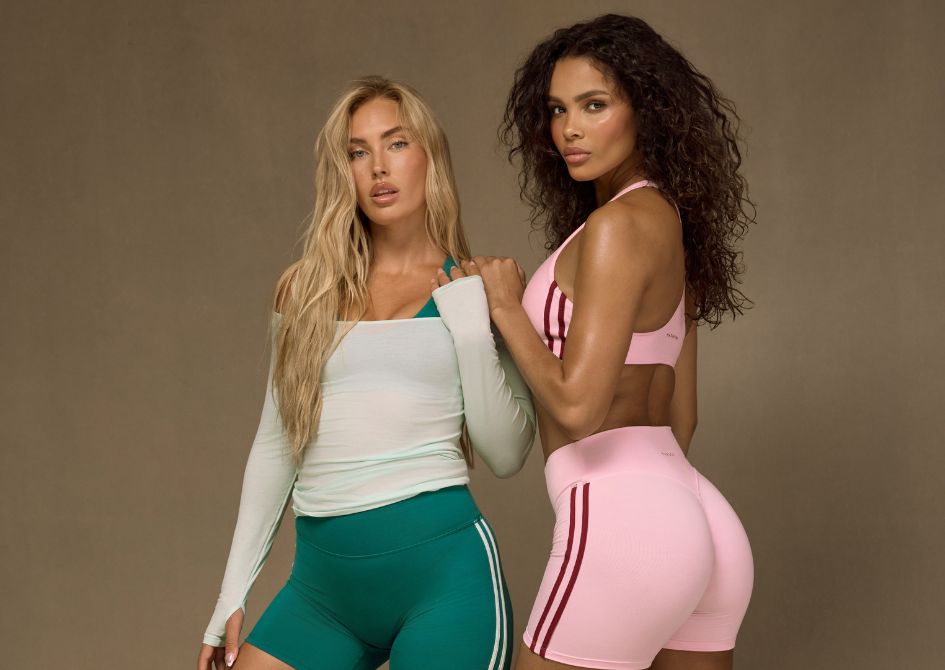
High waisted gym leggings are the go-to for most women who lift - the waistband stays put during deadlifts, hip thrusts, and squats. Gym leggings eliminate any friction from seams during high-rep lower body sessions. Scrunch bum leggings or butt lifting leggings are designed around the movements that recruit your glutes most - the ruched detail contours and supports exactly where you need it.
If you prefer something more relaxed: flared gym leggings have made a strong comeback, and flared leggings petite cuts mean they work for shorter frames too. Black high waisted gym leggings are the dependable workhorse - add grey flared leggings, navy flared leggings, or pink flared leggings when you want a bit more variety.
Sports Bras - Support Is Non-Negotiable
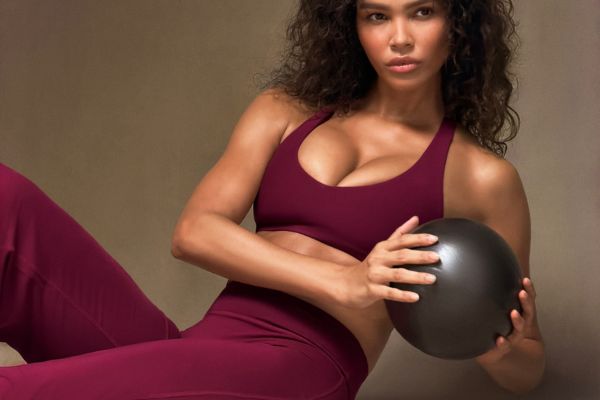
A sports bra gives structure and is well-suited to HIIT and heavier compound lifting. A seamless sports bra is smoother and more comfortable for moderate intensity sessions. The halter neck sports bra adds shoulder support - worth considering if you do a lot of overhead pressing.
For something that breathes well and gives a more open back: the backless sports bra is a strong option for lower-intensity or studio-based training.
Build a small rotation: black sports bra and white sports bra as your staples, then add nude sports bra, navy sports bra, blue sports bra, lilac sports bra, pink sports bra, or red sports bra based on what you actually reach for.
Shorts - When You Want to Move Freely
Gym shorts come into their own in warmer weather and during lower body-heavy sessions. Scrunch bum shorts and scrunch butt shorts are cut to move with you and offer genuine support through squats and lunges. Seamless shorts keep things lightweight and friction-free.
High waisted gym shorts pair cleanly with a cropped top - no gaps, no adjusting mid-session. Black gym shorts are the reliable default; grey gym shorts, pink gym shorts, and blue gym shorts round out a practical kit.
Tops - More Important Than They Look
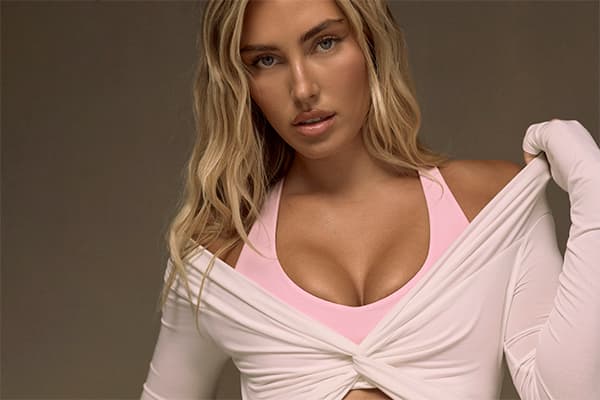
The right top lets you move through your full range of motion without restriction. A sleeveless gym top gives your shoulders complete freedom - ideal for any pressing or pulling movement. A long sleeve gym top is the better choice in cooler months or when you want more coverage. The asymmetric twist top brings a bit of style without sacrificing practicality.
If Leggings Aren't for You
Workout pants for women and fitness pants give a more relaxed, jogger-style fit that still moves well. Exercise pants for women are worth considering if you find standard leggings too compressive or simply prefer a different silhouette.
How to Actually Get Started
You don't need to spend two hours in the gym or figure out a complicated programme before you begin.
Two to three sessions a week, 30-45 minutes each, built around the big compound movements - squats, deadlifts, rows, presses - is enough to generate every benefit listed in this article. These exercises work multiple muscle groups at once, which means more done in less time.
Start lighter than you think you need to. Add a little weight or one more rep each week. Write down what you lifted. That progressive record is one of the most motivating things about strength training - you can see yourself getting stronger in real time.
Wear a kit that fits, moves with you, and makes you feel good walking through the door. That last part sounds trivial. It isn't.
The Bottom Line
The evidence on strength training for women is not subtle. Two to three sessions a week is associated with a 30% reduction in cardiovascular death risk, stronger bones, better metabolic health, significantly lower rates of depression and anxiety, reduced risk of type 2 diabetes, and measurably easier everyday life.
You don't need to be an athlete. You don't need to spend hours in the gym. You just need to show up, lift something, and do it again next week.
Thrivin's gym wear is built for women who train with intention - from your first set to your last.
Get the right kit on. Go pick up something heavy.


